The Olympic social media strategy is not “post the same highlight three times.” It is a live editorial system with different jobs for different platforms, a rights framework that limits what can be published, and an audience that moves from discovery to debate in seconds.
That distinction matters because the Olympic audience is not one audience. A casual viewer may discover a skateboarder through a vertical video, follow an athlete’s preparation on Instagram, and then open X for the result the moment a final ends. The committee’s job is to make those journeys feel connected without making every channel feel identical.
Paris 2024 offers the clearest public evidence so far. The IOC’s Paris 2024 marketing report says 84% of the potential global audience followed the Games, equivalent to around five billion people, while social-platform engagement exceeded 12 billion. Those figures describe the scale of the opportunity, not a formula for reproducing it. The more useful lesson is how the work is divided.

The strategy starts with one story, not one format
A committee might begin with a single story: an athlete’s return from injury, a first-time Olympian arriving at the Village, or the final attempt that changes a medal table. The planning team then decides what each audience needs from that story.
- Instagram: Make the moment visually legible and emotionally complete, whether through a Reel, carousel, Story sequence or concise caption.
- TikTok: Find the human hook, the unexpected detail or the creator-friendly angle that can travel beyond existing Olympic followers.
- X: Deliver speed, context and conversation around results, schedule changes, quotes and developing moments.
This is where a content planner becomes more than a calendar. It should show the story’s first publication, its platform-specific versions, approval status, rights notes, translations, live dependencies and follow-up opportunities. A row that says “post medal photo” is not enough. A useful row says who owns the photo, when the result is confirmed, which athlete accounts can be tagged, and whether the same image has already been used by a rights-holder.
My read is that the most important planning decision is not the posting time. It is the decision about what must remain exclusive to the moment. A committee can schedule evergreen explainers and athlete profiles in advance; it cannot pre-write the emotional texture of a surprise final.
Instagram is the visual headquarters
Instagram is where the Olympic story can be made coherent. It combines polished visual identity, short-form video, athlete access, carousels, Stories and direct audience signals. The ANOC Paris 2024 report monitored 725 National Olympic Committee pages and found that Instagram generated 66% of total NOC engagements, or 230.7 million interactions, during its 12 July to 25 August 2024 measurement period.
That does not mean every post should become a glossy highlight. Instagram’s strength is range. A committee can use a Reel for the explosive finish, a carousel for “how this sport is scored,” a Story poll for fan participation and a portrait for the quieter aftermath. The common thread is visual clarity: the viewer should understand the person and the moment before reading a long caption.
Instagram’s own creator guidance says recommended Reels can reach non-followers and highlights signals such as watch time, retention, shares, likes and comments. That has a practical implication for Olympic teams: a Reel should stand on its own for someone who does not know the athlete, the event or the backstory.
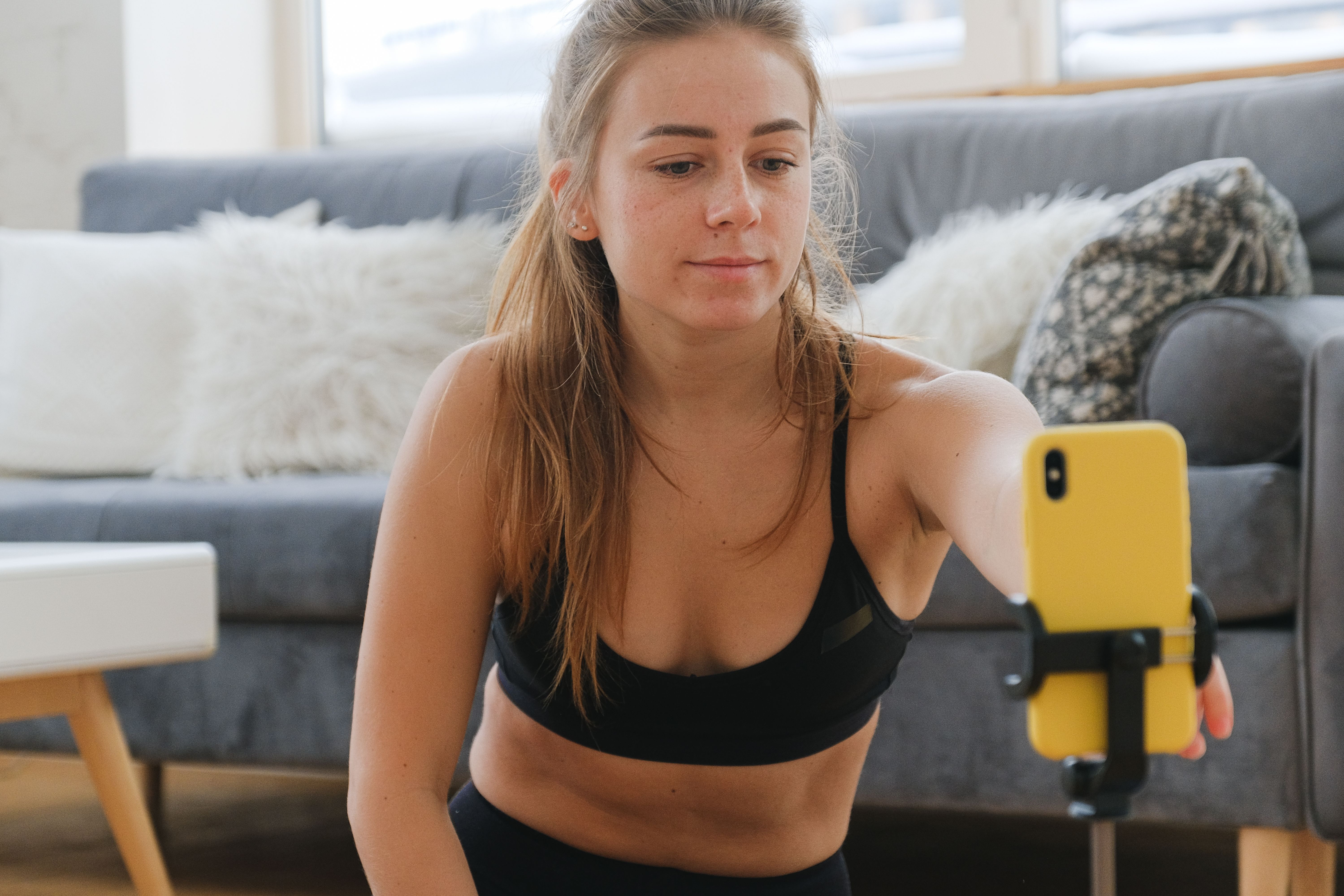
A useful Instagram brief therefore includes three beats:
- Hook: What can a new viewer understand in the opening seconds?
- Proof: What image, reaction or detail makes the story worth staying for?
- Next step: Should the viewer follow the athlete, watch the event, read the explainer or return for the result?
The mistake is treating Instagram as a digital noticeboard. The account should be a place where a fan can build a relationship with the Games, not merely receive announcements.
TikTok turns access into discovery
TikTok rewards a different editorial instinct. The question is less “How do we present the official version?” and more “What would make someone who did not plan to watch this sport stop scrolling?”
Paris 2024’s first Olympic Creator Programme, developed with media-rights holders, Meta, YouTube and TikTok, invited more than 100 digital creators to experience the Games and share their perspectives. That is a meaningful change in the model: the committee is not only distributing content; it is designing access that other voices can interpret.
The ANOC report found TikTok was the third most engaged-with platform among monitored NOCs during Paris 2024, narrowly behind Facebook, and that TikTok follower growth reached 2.8 million across the monitored pages. It also notes that TikTok videos can continue generating engagement days or weeks after publication. In other words, TikTok is not simply a faster Instagram. Its content has a longer, less predictable discovery curve.
Good Olympic TikTok concepts often begin with personality:
- An athlete explains the obscure rule that decided the contest.
- A creator tries to understand a specialist piece of equipment.
- A team member shows the preparation behind a competition-day ritual.
- An athlete reacts to a fan question rather than repeating a press statement.
Authenticity needs guardrails. The IOC’s Paris 2024 social and digital media guidelines allowed accredited participants to share personal experiences within defined limits, while restricting commercial activity, sensitive areas and AI-generated content. A TikTok brief should include those checks before filming, not after an edit has gone viral.
X is the live desk, not the leftovers bin
X has a narrower but important role in the Olympic mix: real-time information and public conversation. Results, lane assignments, schedule changes, medal counts, athlete quotes and fast reactions belong there because the platform is built around immediacy.
The ANOC report recorded 36.8 million engagements for monitored NOC X/Twitter content during the Paris measurement period. More revealingly, 95% of X engagements occurred during the Games. The platform’s value is therefore concentrated in the live window. A committee that posts there only to recycle yesterday’s Instagram video has missed the reason fans are present.
This also explains the apparent contradiction in the data. NOCs published fewer X posts than in Tokyo 2020, yet engagements rose 63% in the report’s comparison. The lesson is not “post less” as a universal rule. It is “post what the X audience came for, when it matters.”
That requires a different operating rhythm:
- Assign a clearly accountable live editor for each competition block.
- Use a pre-approved library of sport terminology, athlete names and result formats.
- Separate confirmed information from developing reports.
- Prepare correction language before the first mistake happens.
- Escalate safety, eligibility, protest and disciplinary claims rather than guessing.
The opposing view is that X is too unstable to deserve serious investment compared with short-form video. That argument is reasonable if the goal is long-term audience growth. I would still keep X in the Olympic plan because a platform can be strategically useful during a two-week event even if it is not the best place to build a year-round audience.
One editorial desk, three publishing clocks
The practical workflow is a rolling sequence rather than a batch of identical posts.
| Moment | TikTok | X | |
|---|---|---|---|
| Before competition | Athlete context, visual explainer, Story prompt | Personality-led preview or rule explainer | Schedule, lineup and confirmed updates |
| During competition | Stories and selected live moments where rights allow | Fast-turn reaction or creator perspective | Results, key plays and verified commentary |
| After competition | Hero image, Reel and carousel recap | Reaction, behind-the-scenes detail and follow-up | Final result, quote, thread and next event |
The platform roles above are editorial recommendations informed by the ANOC Paris 2024 report, which measured NOC activity from 12 July to 25 August 2024; they are not a claim that every NOC used the same workflow.
Each story should also have a “do not publish yet” field. Olympic content moves through rights checks, result verification, athlete consent, translation and sometimes safeguarding review. Speed matters, but an incorrect medal graphic travels just as fast as a correct one.
What the committee should measure
Follower growth is useful, but it is a lagging indicator. A better dashboard separates platform jobs:
- Instagram: retention, shares, saves, profile visits and non-follower reach.
- TikTok: completion rate, rewatches, shares, comments and delayed performance after publication.
- X: time to publish, verified-result accuracy, replies, reposts and live-window engagement.
- Across all three: athlete satisfaction, rights incidents, translation turnaround and the percentage of planned content that survived approval.
My strongest recommendation is to review stories, not just posts. Did the athlete profile make the later result more meaningful? Did the TikTok audience arrive at the Instagram account? Did the X update point people toward an authoritative schedule rather than a rumor? Those are harder questions than counting likes, but they describe whether the channels work together.